2012 Year in tech: A timeline
By Billy Steele, Sarah Silbert and Christopher Trout
Illustration By ILoveDust
While planet Earth has yet to meet its demise, the end of 2012 is nigh.
It was a year of lengthy legal battles and shifting power dynamics in
the tech industry. It brought with it great advancements and great
failures -- and, for some, the promise of the end of days. We've combed
our archives to bring you just a few of the stories that made the
biggest impact on our reporting this year. Herewith, an abridged look
back at the year that was.
Photo: (Getty Images for Extra/Noel Vasquez)
The Year in Tech
JANUARY
January 1st Following a year of production delays for its high-end Karma hybrid, American automaker Fisker
officially recalled
239 vehicles. A malfunction with its Li-ion batteries was found to
increase the risk of an electrical short circuit and fire. This was far
from the end of the company's woes. In August, a Karma owner returned
from the grocery store to find the EV engulfed in flames.
January 8th At CES, Acer announced the "
world's thinnest Ultrabook,"
the Aspire S5. The 13.3-inch notebook boasted a thickness of 0.6 inch
and a weight just under three pounds. Though other systems like the
0.5-inch Samsung Series 9 would out-svelte the S5 later in the year,
Acer's machine

showed that the race for the slimmest system was kicking into high gear.
January 9th Also at CES, Nokia unveiled the long-rumored
Lumia 900
smartphone as an AT&T exclusive. We liked its 8-megapixel rear
camera, strong performance and blazing LTE speeds, but its successor,
the Lumia 920, would wow us even more when it debuted in the fall.
January 14th LightSquared's years-long effort to integrate a wholesale 4G LTE network with satellite coverage was
quashed by the National Executive Committee for Space-Based Positioning, Navigation and Timing, which found that t

he
technology could interfere with GPS equipment. This came on the heels
of Sprint reneging its 15-year resource-sharing agreement with
LightSquared, and set the tone for many defeats on the company's
eventual road to bankruptcy.
January 19th
Federal prosecutors shut down popular file-sharing site Megaupload in
the US, indicting founder Kim Dotcom and others for copyright violation,
conspiracy to commit racketeering and other alleged illegal activities
in the process.
The takedown
coincided with the high-profile online piracy debates brought about by
the PIPA and SOPA bills. Megaupload has yet to rise from the dead.
January 19th Kodak filed
for Chapter 11 bankruptcy in New York, with the goal of emerging with a
completely reorganized business by 2013. The company received $950
million in debtor-in-possession financing, which it said would bolster
liquidity and working capital. As a sign not only of the company's
troubles, but also of the decline of non-digital photography, Kodak even
sold the iconic film arm of its business later in the year.
January 20th
Following statements of opposition from Google, Facebook, Twitter and
just about every other major tech company, the US Senate and House
decided to
delay votes on PIPA and SOPA, respectively. The controversial anti-piracy bill

s
called for greater government authority for banning websites that
infringe copyrighted material. They've remained in limbo ever since.
January 22nd After months of investor backlash -- and the underwhelming launch of the PlayBook -- RIM
announced a switch-up
at the top. Co-chief executives Jim Balsillie and Mike Lazaridis
stepped down from their positions, and COO Thorsten Heins was appointed
to take over as CEO. The news was coupled with rumors that Heins would
license the BlackBerry 10 operating system to other handset
manufacturers.
Photos: Kodak film canister (AP Photo/Mel Evans); PIPA protest (STAN HONDA/AFP/Getty Images)
FEBRUARY
February 2nd The internet got a
first look
at the Windows Phone 8 operating system, codenamed Apollo, when an
internal Microsoft video leaked. In it, Windows Phone manager Joe
Belfiore described support for dual-core CPUs, four screen resolutions,
NFC and also hinted at Skype integration. When the OS was released at
the end of October, all those features were indeed there.
February 13th
Apple announced that Foxconn, one of its major manufacturing outlets --
and the subject of media scrutiny due to worker suicides and a factory
explosion -- would receive a
voluntary audit
from the Fair Labor Association at factories in Shenzhen and Chengdu,
China. The report was said to cover working and living conditions and
would include polling thousands of employees.
 February 13th
 The US Justice Department followed the lead of European regulators and gave
the green light
to Google's acquisition of Motorola Mobility. The $12.5 billion
purchase was subject to close inspection due to concern that it would
cause competition issues, though Mountain View made it clear it was just
interested in Moto's patent portfolio to bolster the Android ecosystem.
February 20th
Following reports that Google bypassed Safari's privacy features by
tracking users through web ads, Microsoft found the search giant was
also
bypassing security settings
in Internet Explorer to track users via cookies. Mountain View
responded by calling Microsoft out for using a "widely non-operational"
P3P protocol for privacy protection.
 February 22nd
While it was released in Japan in December of 2011, Sony's PS Vita
(known previously as the Next Generation Portable) finally made its
stateside debut, nearly a year after Nintendo's 3DS hit shelves.
 February 26th
 At Mobile World Congress in Barcelona, HTC launched its new flagship handset, the
One X.
Along with the One S and One V also announced at the show, the phone
represented a step away from brand dilution and toward a more unified
line of products for HTC. Our reviewers gave top marks to the phone,
applauding its attractive polycarbonate unibody design, Gorilla
Glass-coated display and fantastic camera. The addition of AT&T LTE
only sweetened the package.
February 27th Nokia had a big MWC announcement of its own: the
808 PureView,
a handset running the Symbian Belle OS on a 1.3GHz single-core chip and
offering a ho-hum 640 x 360, 4-inch screen. But the 808 really stood
out for being the first smartphone with ultra-high-end camera
technology: the shooter boasted a full 41 megapixels and a Carl Zeiss
lens capable of continuous-focus 1080p.
February 29th The world's cheapest mini-Linux computer, the
Raspberry Pi,
went on sale with an asking price of $25 for the Model A version with
256MB of RAM and $35 for the Model B iteration with an extra USB port
and an Ethernet hookup. Web retailers were overwhelmed with orders, and
the Pi even sold out at distributor Premier Farnell.
Photo: Raspberry Pi (www.sotechdesign.com.au)
MARCH
March 5th
As part of Deustche Telekom's OSIRIS project, the company's T-Labs team
successfully transferred data over a single optical fiber wavelength
channel from Berlin to Hanover and back at a blazing
512 Gbps.
It was a mighty impressive demonstration, but rest assured the
widespread implementation of this tech was (and is) quite a ways off.
 March 6th
The Android Market that supplied apps, books and movies to handsets
running Google's OS was replaced by a one-stop shop for content called
Google Play. The Play store incorporated the former Market, Google Music and the Google eBookstore.
March 7th Shedding the numbering convention for its tablet line, Apple announced the aptly named
iPad with Retina display.

The
9.7-inch panel sported 3.1 million pixels in a 2,048 x 1,536
configuration, and the Retina branding would next show up on the 15-inch
MacBook Pro with an even more stunning 2,880 x 1,800 resolution. Just
as exciting as all those pixels? The new tablet was Apple's first device
to offer LTE connectivity, via AT&T and Verizon.
March 15th Famed Austrian skydiver
Felix Baumgartner leapt
from an altitude of more than 13 miles above the Earth, reaching a
maximum speed of 364.4 MPH. This jump was just one of several lead-ups
to Baumgartner's attempt to break the record of 120,000 feet; in
October, he raised the bar with a 128,100-foot dive -- reaching a max
speed of 833.9 MPH and breaking the sound barrier in the process.
 March 19th
 Responding to travelers' complaints about gadget restrictions on flights, the FAA told
The New York Times it would once again
look into the rules
regarding the use of laptops, tablets and other non-cellular gadgets on
airplanes. Perhaps one tiny baby step in the right direction: in
September, the FAA cleared American Airlines crews to use iPads in the
cockpit at every point during a flight.
March 29th The Fair Labor Association
released the findings
from its audit of the Foxconn plants in China where Apple products are
made. The group found violations of both FLA code and Chinese legal
limits on hours worked, and as a result Apple and Foxconn agreed to
drastically reform factory conditions by July 2013. The plant also
agreed to raise employee wages and improve safety and health conditions.
March 29th
In the wake of RIM's Q4 2012 earnings announcement, the company dropped
the news that Jim Balsillie, who had already stepped down as co-CEO,
was
resigning
from his position on the board of directors. In light of a dip in
revenue, CEO Thorsten Heins admitted that RIM faced significant business
challenges and said he would refocus on the company's enterprise
business and BB10 -- which has still yet to launch.
Photo: Jim Balsillie (Jin Lee/Bloomberg via Getty Images)
APRIL
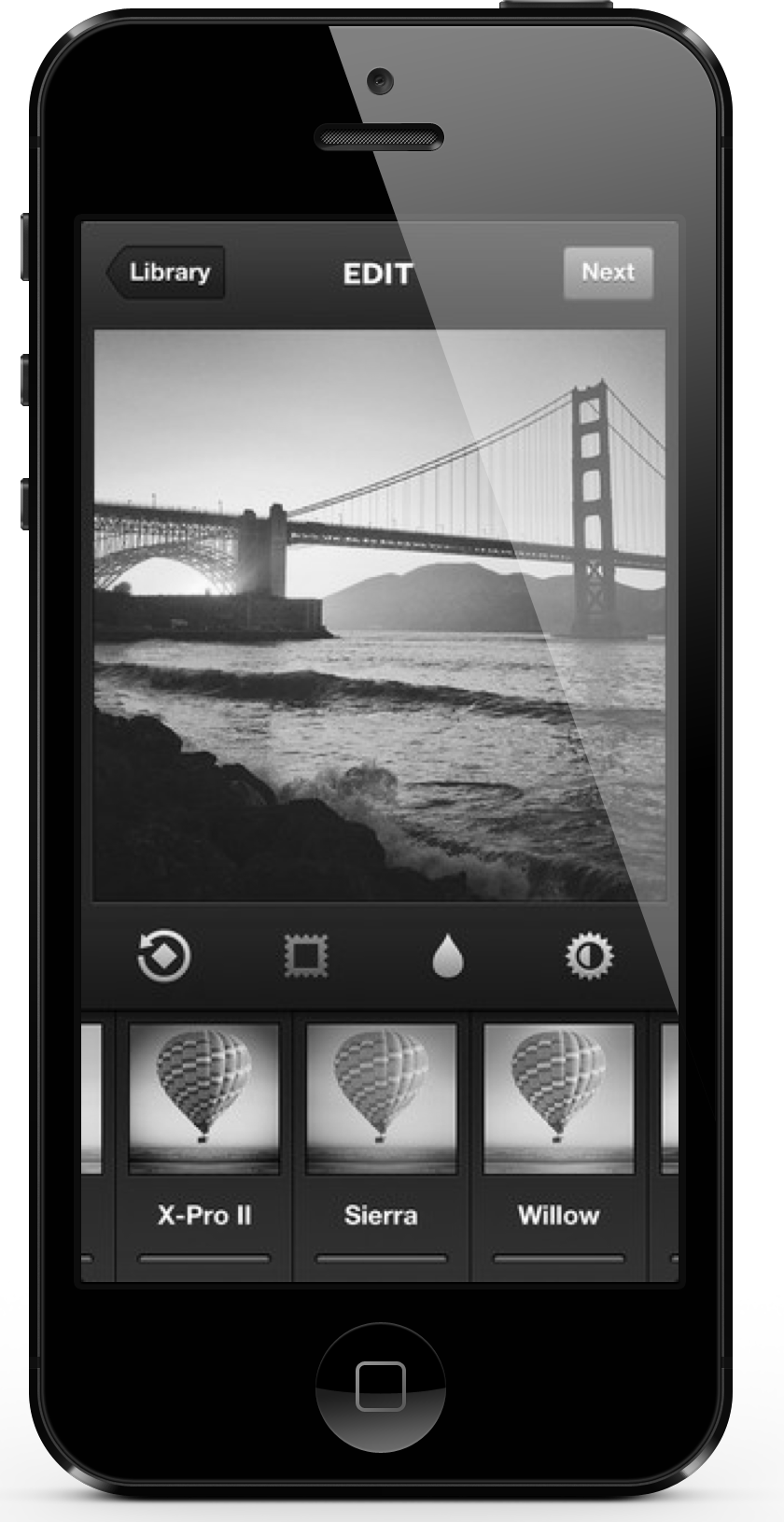
April 3rd Nearly two years after launching on iOS, the extremely popular photo-sharing app Instagram finally made its
debut on Android. The app included the same filters offered on the iOS version, and supported Android 2.2 and above.
April 4th Google released a video demoing
Project Glass,
a wearable heads-up display with Android on board. This would be the
first of many high-profile public appearances for the device; two months
later at Google I/O, Sergey Brin demoed the project with skydivers over
San Francisco, and Mountain View put the glasses up for pre-order at
$1,500 a pop.
 April 9th
 Less than a week after the release of Instagram's Android app, Facebook CEO Mark Zuckerberg announced that his company was
planning to purchase
the popular photo-sharing platform. Rumors pinpointed the price tag at a
cool $1 billion in cash and shares. Instagram's CEO stepped in to
reassure users that "the Instagram app will still be the same one you
know and love."
April 11th After allegations of
anti-competitive pricing practices lead to an investigation of
publishers in Europe, the Department of Justice launched its own
charge against Apple,
Hachette, HarperCollins, Macmillan, Penguin and Simon & Schuster.
The DOJ's filing focused on charges that Apple and the publishers
conspired to raise the cost of e-books and imposed that model on Amazon
and Barnes & Noble.
 April 11th
 Allerta, maker of the inPulse Smartwatch, launched a Kickstarter campaign for its new
Pebble watch,
offering full iOS compatibility and a 1.26-inch, 168 x 144 black and
white e-paper display for $99. Within two hours, the smartwatch raised
$100,000 in pledges, and it eventually broke Kickstarter's record with a
total of $3.3 million raised. Successful though its funding efforts may
have been, the project was plagued by delays -- as of mid-December, the
watch was slated to debut in early 2013.
 April 12th
 Barnes & Noble unveiled its
Nook Simple Touch with GlowLight,
an e-reader with an illuminated screen meant to let users enjoy e-books
without disrupting their sleeping partners. It went on pre-sale for
$139. Amazon would release its own version of the illuminated e-reader,
the Kindle Paperwhite, later in the year.
April 23rd
Along with introducing Creative Suite 6 -- with 14 applications
including Photoshop and InDesign -- Adobe announced its move to the
cloud, with a new monthly
Creative Cloud plan that would let users access CS6's features over a broadband connection for a monthly fee of $75.
April 28th
Two years after Google incurred the wrath of the Justice Department for
collecting private data over WiFi while amassing Street View and
location information, the
DOJ cleared
the company of all wiretapping violations. This move came as the DOJ
and FCC said they couldn't find evidence that the search giant accessed
any of the data it amassed.
MAY
May 3rd At the company's Mobile Unpacked event in London, Samsung announced its latest flagship, the
Galaxy S III.
The handset touted a new (at the time) 1.4GHz Exynos 4 Quad chip for
the heavy lifting alongside 1GB of RAM. Internals were tucked in behind a
4.8-inch, HD Super AMOLED display with TouchWiz-wrapped Android 4.0.
 May 14th
What became official for LightSquared on May 14th didn't come as much
of a surprise. The company formally turned in its paperwork to begin a
Chapter 11 bankruptcy
filing in the US Bankruptcy Court of Manhattan. With this, the lofty
goal of offering high-speed wireless for more than 260 million mobile
users disappeared.
May 16th Verizon's CFO Fran
Shammo confirmed what many unlimited data users on the network had long
feared. The company announced that with the arrival of
VZW's shared data plans, "everyone will be on data share." This meant that eventually, those grandfathered in would be forced into a monthly allowance.
 May 17th
 Facebook gathered up its massive user base and
decided to go public.
The social network placed 421,233,615 shares of common stock on the
table with an initial per-share price of $38. Excitement would be
short-lived, though, as investors remained skeptical of ongoing growth
and stock prices fell in the following months.
May 22nd After a long courtship and approval from China, Europe and the US of A, Google
finalized its acquisition
of Motorola Mobility. The folks in Mountain View also announced that
Dennis Woodside would steer the ship as CEO of Moto's mobile unit for
the foreseeable future.
 May 25th
 Giving promise to the future of commercial space exploration and solidifying 2012 as a really good year for Elon Musk,
SpaceX's Dragon became the first commercial spacecraft to successfully dock with the International Space Station.
May 31st Unfortunately, the long,
drawn-out legal quarrel
between Google and Oracle didn't wrap up when the infringement verdict
arrived in May. Copyright proceedings determined that Google had
infringed on parts of Java APIs. However, the judge ruled that Oracle's
claim was in fact invalid, as it extended the rights of the copyright
holder a bit too far.
Photos: Cell Tower (AP Photo/Mel Evans, File); Mark Zuckerberg at NASDAQ (AP Photo/Nasdaq via Facebook, Zef Nikolla)
JUNE
June 5th More than three years after its official announcement, Tesla
delivered the first
of its more-affordable Model S EVs to a venture capitalist in the Bay
Area. The vehicle was let loose two weeks before the expected June 22nd
arrival. Later in the year, the Model S would be voted Motor Trend's Car
of the Year.
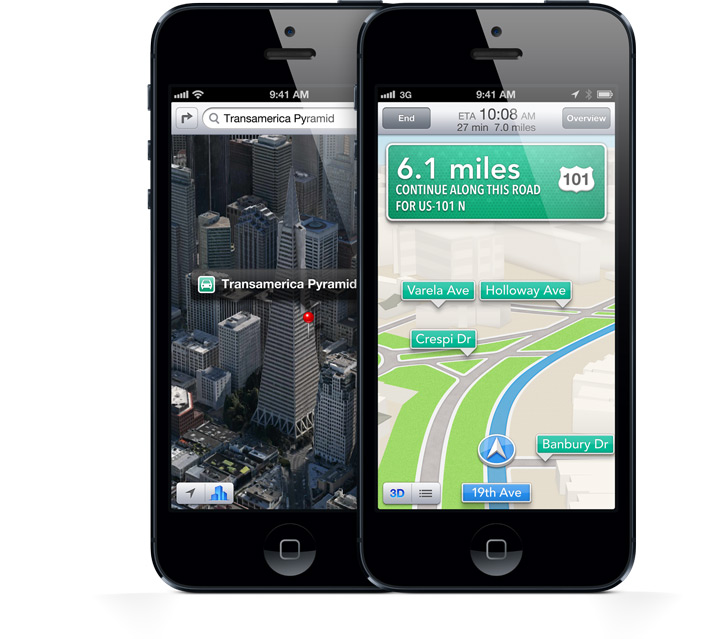
June 11th Apple trotted out its own
Maps application
after nixing its long-standing use of Google's tech. However, the
software arrived to a barrage of criticism for its glaring flaws,
despite the inclusion of features like turn-by-turn navigation. The tech
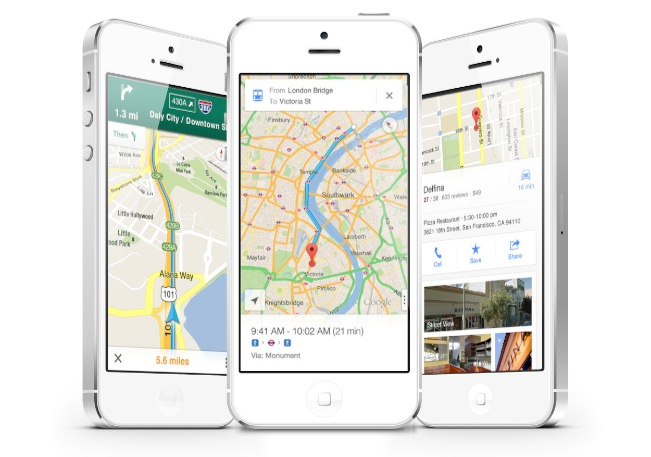
also touted full 3D capabilities, much like the upgrades Google
announced mere days before.
 June 11th
In 2012, we watched as Apple pulled the cover off of its Retina display
on a number of devices -- one of which was the next-gen
MacBook Pro.
The laptop was outfitted with a 220-ppi display panel that boasted a
resolution of 2,880 x 1,800 on the 15-inch offering. At the time, the
base model was priced at $2,199.
June 14th The hits kept coming for Nokia. In June, the company
revealed plans
to reduce its workforce by 10,000 before 2013 came to a close. Three
executives also made their exit and the outfit sold off all but 10
percent of its stake in the luxury brand Vertu.
June 18th At a presser in LA that was announced just hours beforehand, Microsoft confirmed that a Surface-branded
Windows RT slate
was in the works. The rather unexpected move into tablet manufacturing
touted a VaporMg, all-magnesium frame that wielded NVIDIA's ARM chip to
power the business end of matters.
June 20th With its second event in less than a week, Microsoft made
Windows Phone 8 official.
The exhilaration was short-lived for those who had already jumped on
the WP bandwagon, as the company announced that current handsets
wouldn't see the new OS. This also proved that the early rumblings about
upgrades were in fact false.
 June 27th
 Looking to reveal the next version of its OS in grand fashion, Google detailed the software on its brand-new slate, the
Nexus 7. The 7-inch tablet was the first and only device at the time to sport
Jelly Bean
(Android 4.1). The follow-up to the six-month-old Ice Cream Sandwich
tacked on Project Butter and Google Now -- the company's answer to
Apple's Siri.
June 28th After numerous outages
and a shuffle at the helm, matters continued to get worse for RIM. For
Q1 of its 2013 fiscal year, the company reported a $518 million net loss
and 5,000 additional job cuts. The company also revealed that
BlackBerry 10 smartphones
wouldn't break cover until sometime in Q1 of the 2013 calendar year.
Photo: Tesla Model S (Will Lipman)
JULY
July 2nd While it was granted a temporary injunction earlier in the year to halt iPad sales, China's Shenzhen Proview Technology
sought compensation
for its claim to the iPad trademark. The slates would return and a
meager (by Apple's standards, anyway) $60 million was sent to Proview to
resolve the matter, thus proving that Cupertino wasn't immune to having
to pay up.
July 4th Though the cat was let out of the bag the day before,
CERN's huge announcement
still packed quite the punch. A new boson was observed with a standard
deviation of 5 at 99.9 percent confidence. This preliminary result
provided evidence of the heaviest discovery to date and the best proof
thus far of the Higgs.
 July 10th
 Riding the biggest first day in Kickstarter history, the Android-based
Ouya
gaming console took less than 12 hours to rocket past its funding mark
of $950,000. Designed by Yves Behar, the unit touted a $99 price tag
while being extremely accommodating to devs and lobbying for a wealth of
free content.
July 15th Richard Branson had claimed for some time that he'd be on board Virgin Galactic's first commercial tourism
flight to space,
but he confirmed that said trip would happen at some point during the
course of 2013. A mere $200,000 per person nabbed a seat for the voyage
aboard the company's SpaceShipTwo craft.
 July 16th
 Mountain View's first female engineer, a top executive and one of its first 20 employees departed this summer.
Marissa Mayer decided to leave Google to become Yahoo's new CEO, joining the ranks after Scott Thompson's departure amid a résumé scandal.
July 18th A judge in the UK forced Apple to
make nice
with Samsung in the public forum. Judge Colin Birss made the Cupertino
outfit post on its website and in several publications that Samsung
didn't copy the design of the iPad. This action was said to counter the
"damaging impression the South Korea-based company was copying Apple's
product," but it wouldn't be its last forced apology.
July 23rd Before Nikon's foray into the space, rumblings of Canon's own mirrorless offering swirled around the internet. However,
Canon's EOS M
wasn't the change of pace from its DSLR offerings that the
aforementioned competitor ushered in. The $800 shooter touted a spec
sheet reminiscent of the Rebel T4i with an initial launch coming in
October.
 July 23rd
 After a battle with pancreatic cancer,
Sally Ride,
the first American woman to travel to space, died at the age of 61.
Ride is remembered most for breaking NASA's gender barrier when she took
part in an expedition on the Space Shuttle Challenger in June 1983. She
also founded the administration's Office of Exploration.
July 26th Google ramped up its
Google Fiber
efforts in Kansas City, more than a year after the initial
announcement. The extra oomph came in the form of Google Fiber TV -- a
service that touts a tailored, searchable UI, 1TB of space on Google
Drive and a Nexus 7 slate to help out with the channel surfing.
Photos:
Particle Diagram (Courtesy CERN); Marrisa Mayer (David Paul
Morris/Bloomberg via Getty Images); Sally Ride (Courtesy NASA)
AUGUST
August 6th With the help of guided entry, a parachute, a powered descent and a sky crane, NASA's
Curiosity rover
touched down on the surface of Mars. Getting right to work, telemetry
and the first images of Gale crater were sent back from the 2,000-pound
(900kg) planet-exploring vehicle.
 August 12th
 Another Fisker Karma
caught fire
this summer in a Woodside, Calif., parking lot. The hybrid EV was
powered off and unplugged at the time of the incident, similar to the
fire back in the spring. Fisker was quick to point out that its prized
electronics weren't the source. An investigation pointed to a cooling
fan, causing a recall days later.
August 24th After a three-week trial, a federal court jury
presented a verdict
in the lengthy patent infringement lawsuit between Samsung and Apple.
Samsung was found to have knowingly infringed on Apple patents, with
damages totaling more than $1 billion. On the other hand, the jury found
Apple
not guilty in all five instances cited by Samsung.
 August 25th
 Following complications from heart surgery just a few weeks prior,
Neil Armstrong,
the first man to take a step on the moon, died at age 82. His
pioneering expedition with Buzz Aldrin and Michael Collins aboard the
Apollo 11 spacecraft changed the face of space exploration forever.
August 29th
It wasn't a huge surprise when the latest supersized offering from
Samsung was announced with a new stylus in tow. Screen real estate on
the
Galaxy Note II expanded
to 5.5 inches and S Pen improvements nabbed most of the software tweaks
this time around. A second-gen model signaled that the phablet was here
to stay.
 August 29th
Mitt Romney, the GOP's presidential candidate, had already taken to
Yahoo Answers to respond to voters' questions when the commander in
chief decided to tackle internet inquiries himself. The virtual
Q&A with Barack Obama
took place via an Ask Me Anything session on Reddit, continuing his use
of social media throughout a successful re-election campaign.
August 29th A name like
Galaxy Camera
surely meant placing the Android OS alongside a dose of touch
functionality and added connectivity, right? Sure enough, the
anticipated shooter was "Unpacked" at IFA with a 4.8-inch (308 ppi)
display, onboard Jelly Bean and a standard 1/2.33-inch BSI CMOS sensor
capable of 16-megapixel snaps.
 August 29th
 Among the barrage of new gadgets that Sony announced with rapid succession at its IFA presser was the awe-inspiring
84-inch 4K Bravia TV.
The 3,840 x 2,160 LCD display is outfitted with an X-Reality Pro Engine
and supports greater-than-HD passive 3D upscaling. Thus continued the
trend of super-high-res, crazy-expensive TVs.
Photos: Curiosity landing (Courtesy NASA); Neil Armstrong (Courtesy NASA)
SEPTEMBER
 September 5th
 Just nine months after the announcement of its Lumia 900 flagship, Nokia outed its successor,
the 920.
It may have been just as colorful, but this Windows Phone 8 handset was
clearly a cut above, featuring a dual-core Snapdragon S4 CPU, a
4.5-inch (1,280 x 768) screen and an 8-megapixel camera packing the
outfit's PureView technology.
September 6th Adding even more light to the fight, Amazon introduced its own illuminated entry into the e-reader field with the
Kindle Paperwhite.
Nearly five months after Barnes & Noble released its glowing
reader, Amazon released its own $120 contender with a front-lit display.
The screen also featured 25 percent more contrast and a 62 percent
increase in resolution over other Kindles.
 September 12th
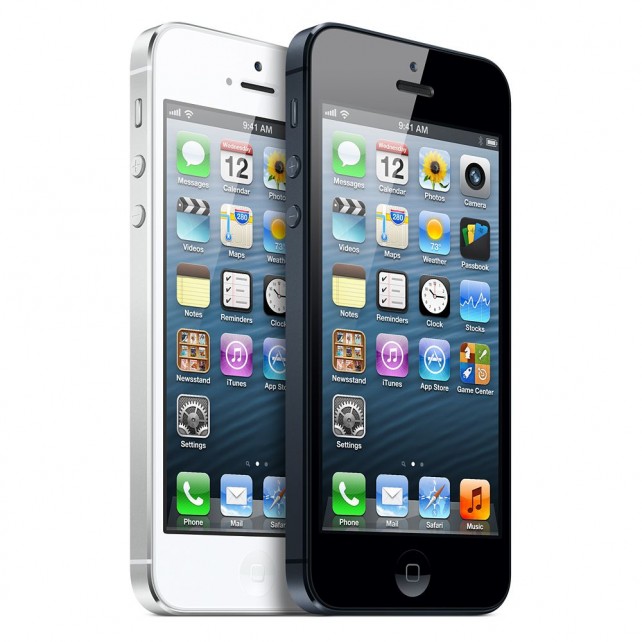
 In evidence that doubling down on secrecy is easier said than done, Apple introduced a very familiar
iPhone 5.
Proving the rumor mill right, the phone was both taller and slimmer,
and sported a two-tone exterior. That new screen measured four inches
and packed a 1,136 x 640 resolution. It was the first iPhone to offer 4G
LTE.
 September 19th
 Continuing the unibody construction and naming scheme introduced with the One X, HTC announced its
Windows Phone 8X.
The colorful WP8 flagship would come in four distinct shades, with a
4.3-inch, 1,280 x 720 Super LCD 2 display; a dual-core Snapdragon S4
processor; an 8-megapixel camera; and Beats audio on board.
September 23rd Tesla founder Elon Musk teased the unveiling of the company's
Superchargers
saying it would "feel like alien spaceships landed at highway rest
stops." And he was right. At the event, the company revealed its plans
to deploy the otherworldly power pumps across the US, Europe and Asia.
The stations were said to charge a Model S with 100 kilowatts in about
30 minutes.
September 25th Google's pet project,
Glass, made yet another high-profile cameo on the face of Sergey Brin
at the signing of a bill that established rules and regulations for
allowing
driverless cars on California's roads. Gov. Jerry Brown visited Google HQ in Mountain View to set the stage for the signing.
September 25th Its long-awaited touch-friendly OS
refresh was no doubt the star of RIM's BlackBerry Jam developer
conference, with the company outing details like a new face for BBM and
even a new developer handset. However, it was a rather
awkward video featuring a rendition of "Keep on Loving You" that stole the show.
September 28th
It wasn't all multi-billion dollar earnings and Foo Fighters
performances for Apple this year. Following what may be the company's
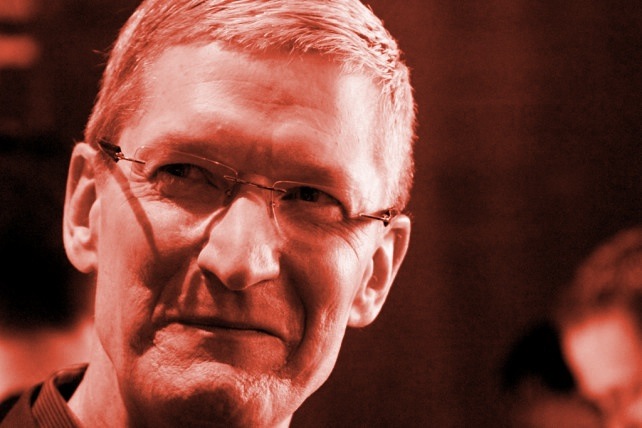
most public failing of late, CEO Tim Cook
issued an apology
to its customers for delivering a subpar Maps app. The outfit went as
far as to post a list of competitors' solutions to its App Store.
OCTOBER
October 3rd
Nearly 10 months after AT&T effectively left T-Mobile at the altar,
the carrier was officially courted by another suitor. Deutsche Telekom
announced that the magenta one would
merge with MetroPCS.
October 14th After what seemed like endless delays, Felix Baumgartner's
128,100-foot jump was
on. The daredevil broke records (and the sound barrier) for the
highest-ever manned balloon flight as well as speed and altitude records
for a free fall.
 October 23rd
With NASA's shuttle program officially shuttered, 2012 saw a number of
the spacecrafts journey to their final resting places. It was
Endeavour's
stroll down the streets of LA, however, that had the world mesmerized.
 October 23rd
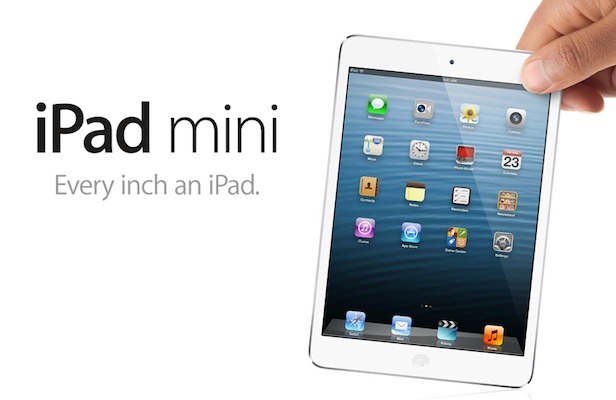
 Steve Jobs was famously opposed to a smaller slate, but that didn't stop Apple's new regime from releasing the
iPad mini.
In an attempt to gain back a portion of its tablet market share from
the proliferation of 7-inch tablets, the company introduced its own
7.9-inch offering.
October 26th And the hype beast came to rest. After more than a year of previews, teases and leaks of
Windows 8,
Microsoft finally made its touch-friendly OS available to the public,
ushering in an army of laptop-tablet hybrids and touchscreen PCs.
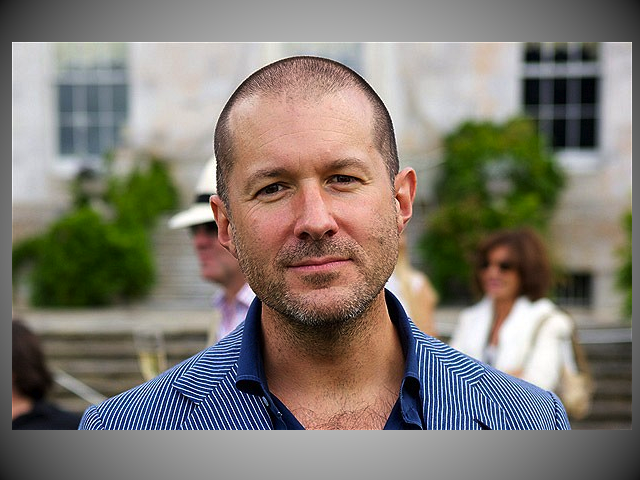
 October 29th
 Following the very public embarrassment that was Apple's Maps app, the company announced a
shake-up at the top:
SVP of iOS software Scott Forstall was on his way out. The head of
Apple retail, John Browett, would also be parting ways. Meanwhile, Jony
Ive, Bob Mansfield, Eddy Cue and Craig Federighi would all take on added
responsibility to fill the void.
October 27th Having c
anceled
its own hardware announcement due to Hurricane Sandy just two days
prior, Google announced its latest Nexus devices via press release. The
Nexus 10 was a 10.5-inch Samsung tablet that appeared to share much of its DNA with the Galaxy Tab 10.1, while the
Nexus 4 was
a 4.7-inch smartphone with a 1,280 x 768 HD IPS Plus display and
Snapdragon S4 Pro CPU. Both were powered by the latest Android build:
4.2 Jelly Bean.
October 30th
Setting off a storm of ridiculously cute (or annoying depending on your
perspective) Mickey Mouse Star Wars memes, Disney announced
plans to buy Lucasfilm Ltd.
for $4.05 billion. The company also voiced its intentions to release a
new Star Wars film every two to three years, much to the chagrin of some
purists.
Photos: Baumgartner (Red Bull Stratos/Red Bull
Content Pool); Space Shuttle Endeavour (AP Photo/Mark J. Terrill);
George Lucas and Disney characters (AP Photo/Disney, Todd Anderson)
NOVEMBER
November 10th In what appeared to be an attempt to avoid the courtroom drama that marked the Apple v. Samsung case, HTC struck an
out-of-court settlement
with Cupertino in its own patent suit. The original filing, initiated
in March 2010, covered 20 patents related to iOS. This particular suit
ended in a 10-year licensing agreement.
November 12th
It was a big year for Microsoft's Steven Sinofsky. After overseeing the
production and release of one of the company's most anticipated
software versions ever, Redmond announced that
Sinofsky would be leaving the company. Julie Larson-Green and Tami Reller would step in to fill his shoes.
 November 13th
 When HTC announced its
Droid DNA,
it proved that the Retina display wasn't the only super-high-resolution
game in town. Putting the iPhone 5's pixel count to shame with its
5-inch, 1080p Super LCD3 display (that's 440 ppi), the DNA also packed a
Snapdragon S4 Pro processor, Android Jelly Bean, an 8-megapixel
rear-facing camera and 1080p video capture.
 November 18t
 We first got our hands on the Wii U's tablet-like controller in June of last year but it wasn't until its
midnight launch event
that it would reach consumers. The release came just in time for the
holidays and sparked arguments over whether the second screen was a step
forward in gaming or merely an over-hyped gimmick.
November 20th
It's no secret that HP has had a tough go of things over the past few
years. However, perhaps nothing rivaled the death of webOS in terms of
bad news like the $9 billion hit the company reported during its Q4 2012
earnings call. The loss was blamed on
accounting "improprieties," stemming from its 2011 software acquisition, Autonomy.
 November 22nd
 First doesn't always mean best -- at least according to
Popular Science. The publication named Google's Siri competitor, Now, its 2012
innovation of the year,
calling it, "the first virtual assistant that truly anticipates your
needs." Siri had this to say: "Sorry, I don't understand."
November 29th In further signs of growing political unrest in Syria, all 84 blocks of IP addresses used by the country were
taken offline.
It was not the first such blackout and again both President Bashar
al-Assad's office and rebel forces blamed the opposing party. The US
State Department voiced its own opinion, saying it believed Assad cut
communications in an attempt to stifle opposition forces. Reports of a
return of service surfaced two days later.
November 30th Two recalls and multiple delays later, Fisker put its
Karma hybrid on hold once
again. The company announced that it would temporarily halt production
due to its battery supplier, A123 Systems, applying for bankruptcy in
October. Fisker said it would continue production sometime after the
outfit was auctioned off.
Photo: Steven Sinofsky (AP Photo/Damian Dovarganes)
DECEMBER
December 3rd
Despite the growing popularity of the tablet and simultaneous decline
of print media, Rupert Murdoch's News Corp. announced that it would
shutter its tablet-only magazine
The Daily on December 15th. The news sparked debates about the viability of the old-school format in a new computing era.
 December 4th
 It looks like Netflix may be the place to see Episode 8 of the
Star Wars franchise on TV. The streaming service
signed a licensing deal
with Disney that will make it "the exclusive US subscription television
service for first-run live-action and animated feature films from The
Walt Disney Studios" starting in 2016.
 December 6th
According to a fellow dinner guest, Steve Jobs once said, "Those jobs
aren't coming back," in response to an inquiry from President Barack
Obama about what it would take to make the iPhone in the US. It may not
be the iPhone, but during an interview with Brian Williams, Apple's
current CEO, Tim Cook, did
commit to producing "one of our existing Mac lines" stateside.
December 7th
In what was no doubt upsetting (but, perhaps, unsurprising) news for
backers of the Pebble smartwatch, Allerta announced that the Kickstarter
darling was hit with
further delays and would not be available for the holiday season.
December 18th Following an uproar sparked by an update to its Terms of Service, Instagram attempted to put an end to "
Instagate."
The company's co-founder Kevin Systrom took to its blog to clarify the
changes, saying the company was simply looking "to experiment with
innovative advertising" to increase revenue rather than attempting to
sell users' photos as some suspected. Two days later, Instagram reverted
to its previous terms.
December 21st Despite predictions to the contrary, the Apocalypse was not upon us.

 The Burmese city of Rangoon is gearing up for its first new year's festivities


 "
from Naughty Dog Studios,), the decision makes sense. But the
PlayStation 2 had a long shelf life and introducing a number of game
franchises and sequels that have enthralled millions of casual and
hardcore players alike.
"
from Naughty Dog Studios,), the decision makes sense. But the
PlayStation 2 had a long shelf life and introducing a number of game
franchises and sequels that have enthralled millions of casual and
hardcore players alike.